
The Education Model of the Future: Why Do Children Learn Better from Each Other?
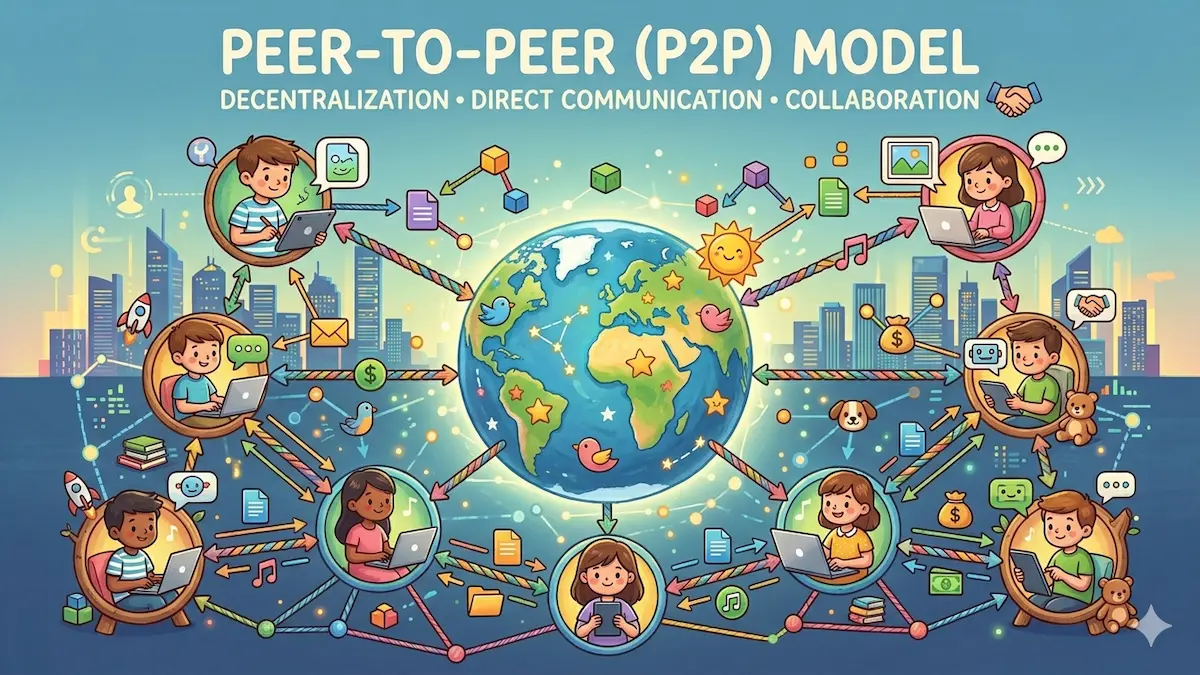
In today’s world, education is no longer just a one-way flow of information from teacher to student in a classroom. One of the most effective learning methods today is the “Peer-to-Peer” (P2P) model—learning from one’s own peers. But what exactly is this model, and what does the experience of 8-year-old Jamal Ibrahimli teach us?
What is “Peer-to-Peer”?
In this model, children move away from the traditional “teacher-student” hierarchy and interact as equal partners. When a child explains a topic they know well—such as space or gravity—to a peer, it creates a unique development opportunity for both sides.
Jamal’s Experience: The Power of Mentorship
The online conversation sessions Jamal conducts in English are a living example of this model. As his parents, seeing him inspired by our own careers as educators, we support this journey not just as a hobby, but as a social innovation. Acting as a mentor, Jamal explains complex scientific topics to his peers in their own language.
What Does This Model Offer Parents and Children?
1. Self-Confidence and Leadership (Soft Skills) While managing these sessions, Jamal learns how to speak before an audience, manage time, and answer spontaneous questions. These are the most essential “soft skills” for the leaders of tomorrow.
2. Natural Breakdown of Language Barriers Children often hesitate to make mistakes when speaking with an adult teacher. However, when communicating with a peer like Jamal, they perceive English not as a “school subject,” but as a tool for play and interesting conversation. This can accelerate the language learning process two to three times over.
3. “Learning by Teaching” (The Protégé Effect) Research shows that a child who explains information to someone else understands the subject more deeply themselves. While Jamal talks about black holes or innovations, he is actually crystallizing his own scientific knowledge.
Recommendations for Parents
Jamal’s experience shows that children’s potential is far greater than we often imagine. If you give them the chance to be a “sharer” rather than just a “learner,” the results will surprise you.
- Encourage them: Create opportunities for your child to “teach” a topic they know well to you or their friends.
- Use technology wisely: As Jamal does, turn online platforms (Google Meet, Zoom) into centers for knowledge exchange rather than just gaming.
- Think globally: Jamal is already taking this project to the global stage. Expand your child’s worldview by creating opportunities for them to communicate with different cultures.
In conclusion, the “Peer-to-Peer” model prepares children not just for the exams of the future, but for the real life of the future. Jamal’s initiative proves that when a child’s passion meets the right parental support, the result is inspiring on both a local and global level.
Leave a Reply